Sustainability
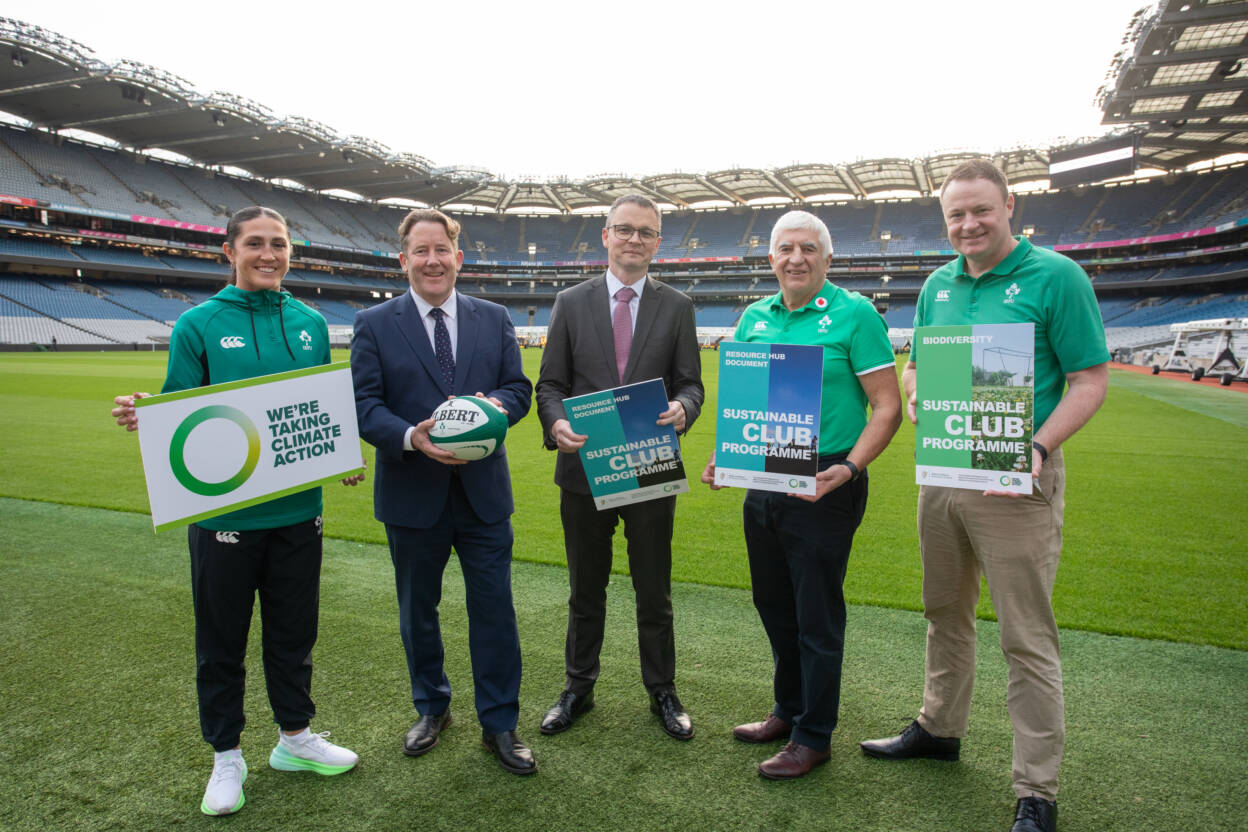
At the Irish Rugby Football Union (IRFU), we are committed to ensuring that the future of rugby in Ireland is not only strong on the field, but sustainable off it.
Our game thrives on the passion of players, supporters, and communities across the island — and we recognise our responsibility to protect the environment and resources that sustain them.
Through our sustainability initiatives, we are working with clubs to reduce our environmental impact, promote responsible operations, and inspire positive change throughout the rugby community.
Together, we can make Irish rugby a champion for sustainability — safeguarding our planet, our people, and the game we love for future generations.
IRFU Sustainability Toolkit
The IRFU Toolkit contains guidance, tailored especially for rugby clubs, in the areas of Biodiversity, Energy, Waste, Water, and Travel.
Where do we start?
Study the Resource Hub Document below to begin a step-by-step approach to your sustainability journey.

Introduction and Mapping your Actions
In addition to providing some tips for starting your programme, this document provides you with the foundations of the club’s programme through understanding which areas the club and members want to prioritise and gather the necessary expertise from inside and outside the club.
Resource Hub – Four Separate Documents
A step-by-step guide to acting in four key areas of your club.
Sustainability Club Tracker
An Excel document that enables you to capture all the information you need to progress the actions within the programme including timelines and designated individuals/people responsible for each action.
Biodiversity refers to the variety of all life forms on Earth — including different species of plants, animals, fungi, and microorganisms, the genetic diversity within these species, and the ecosystems they form.
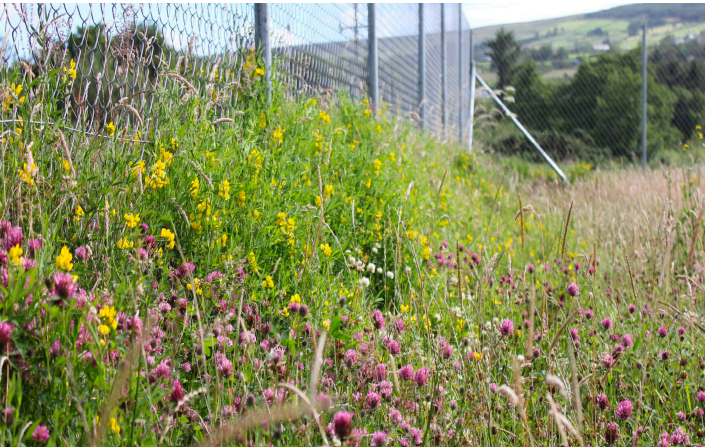
Read our introduction and download our Biodiversity document below.
Biodiversity in Rugby Clubs
Environmental Stewardship of Club Grounds
- Planting native trees, shrubs, and flowers to support pollinators.
- Creating wildlife-friendly areas (e.g., wildflower meadows, bird boxes, insect hotels).
- Avoiding chemical pesticides and fertilizers to protect soil and insect life.
- Preserving hedgerows and grasslands around the pitch.
Promoting Local Ecosystems
- Support local species, especially endangered or threatened ones.
- Monitor and enhance habitats on or near club land.
Sustainable Facilities Management
- Managing water use (e.g., rainwater harvesting, reducing pitch irrigation).
- Maintaining green roofs or walls on clubhouses.
Education and Community Engagement
- Educating players, supporters, and the local community about biodiversity.
- Involving youth teams in conservation projects or biodiversity campaigns.
IRFU Sustainable Club Programme Biodiversity Document
SustainabilityProgrammes_SowingSeeds
Links
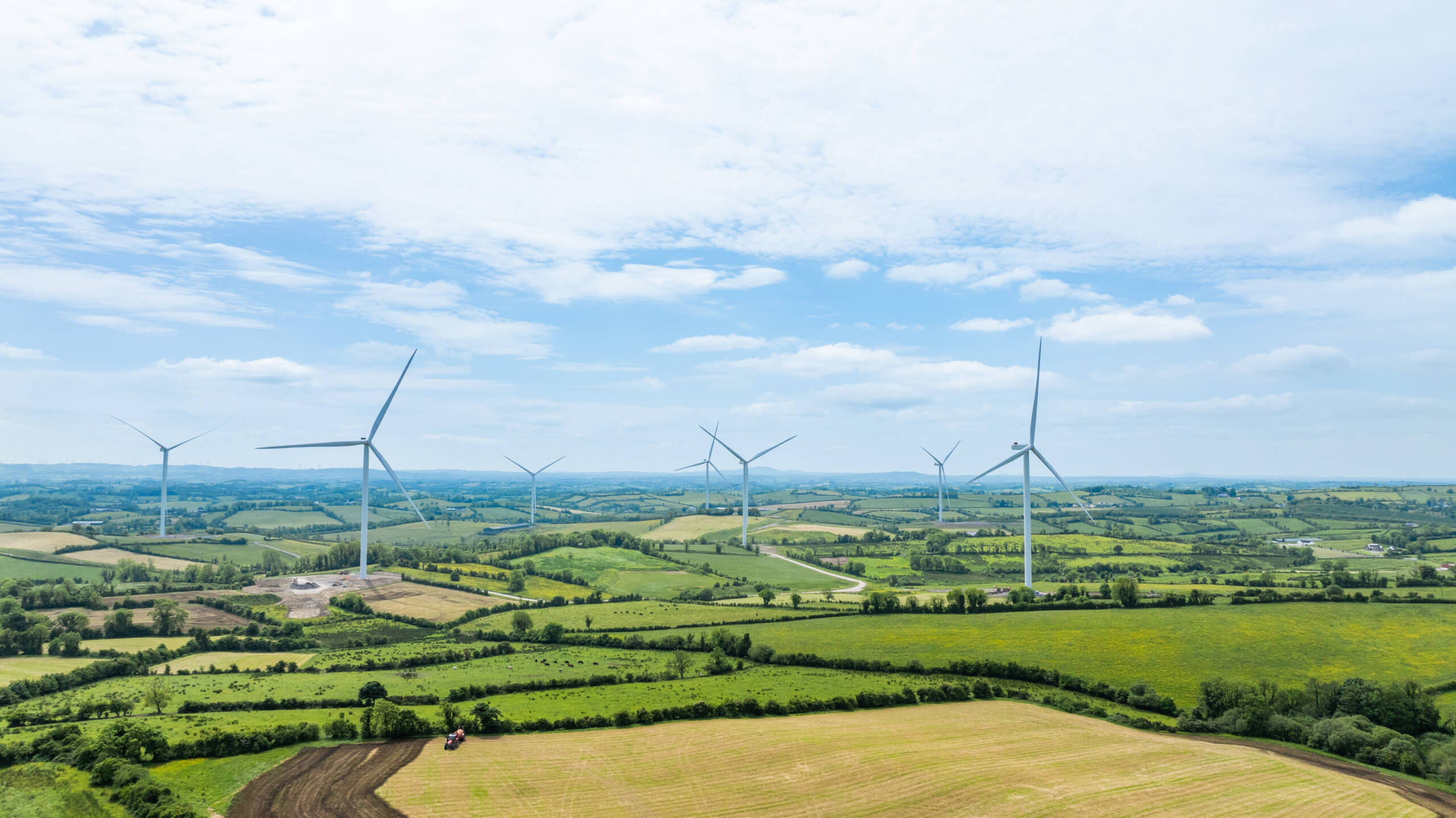
Energy in rugby clubs refers to how clubs use, manage, and source energy to minimize their environmental impact while maintaining operations. It plays a critical role in helping rugby clubs become more environmentally responsible and financially efficient.
Energy Planning
Get guidance on how to plan the Energy use in your club – IRFU Sustainable Club Programme Energy Document
Energia Information
Energia, Official Sponsor of the All-Ireland League and Official Energy Partner of the IRFU, have produced some really useful documents to help clubs with their Energy usage.
Energia Guides For Clubs in Republic of Ireland
Power NI Guides For Clubs in Northern Ireland
Links
“Waste” in rugby clubs refers to any materials, resources, or energy used by the club that are discarded, misused, or not managed responsibly, contributing to environmental, social, or economic harm.
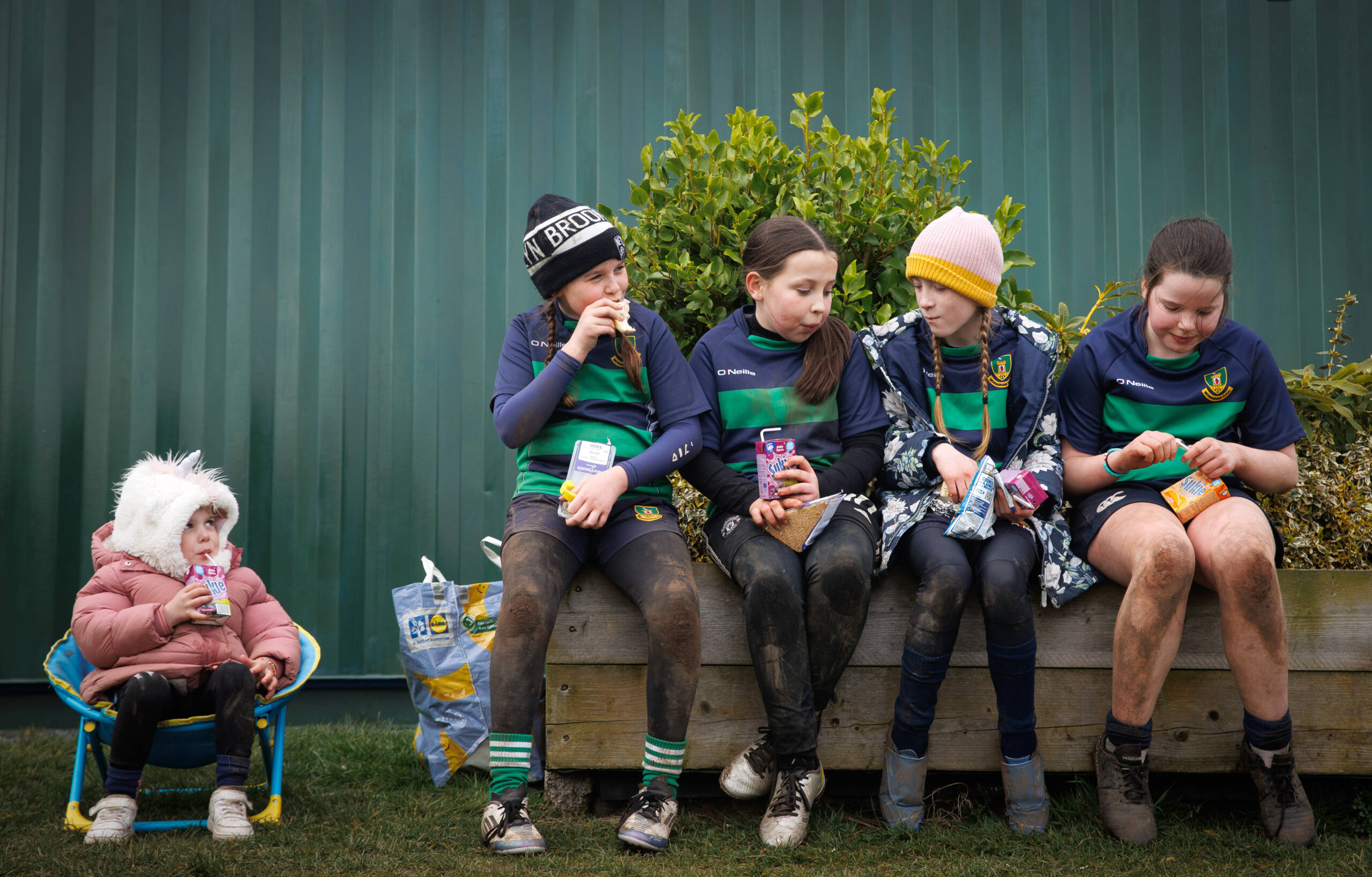
Physical Waste (Solid Waste)
This is the most visible type of waste.
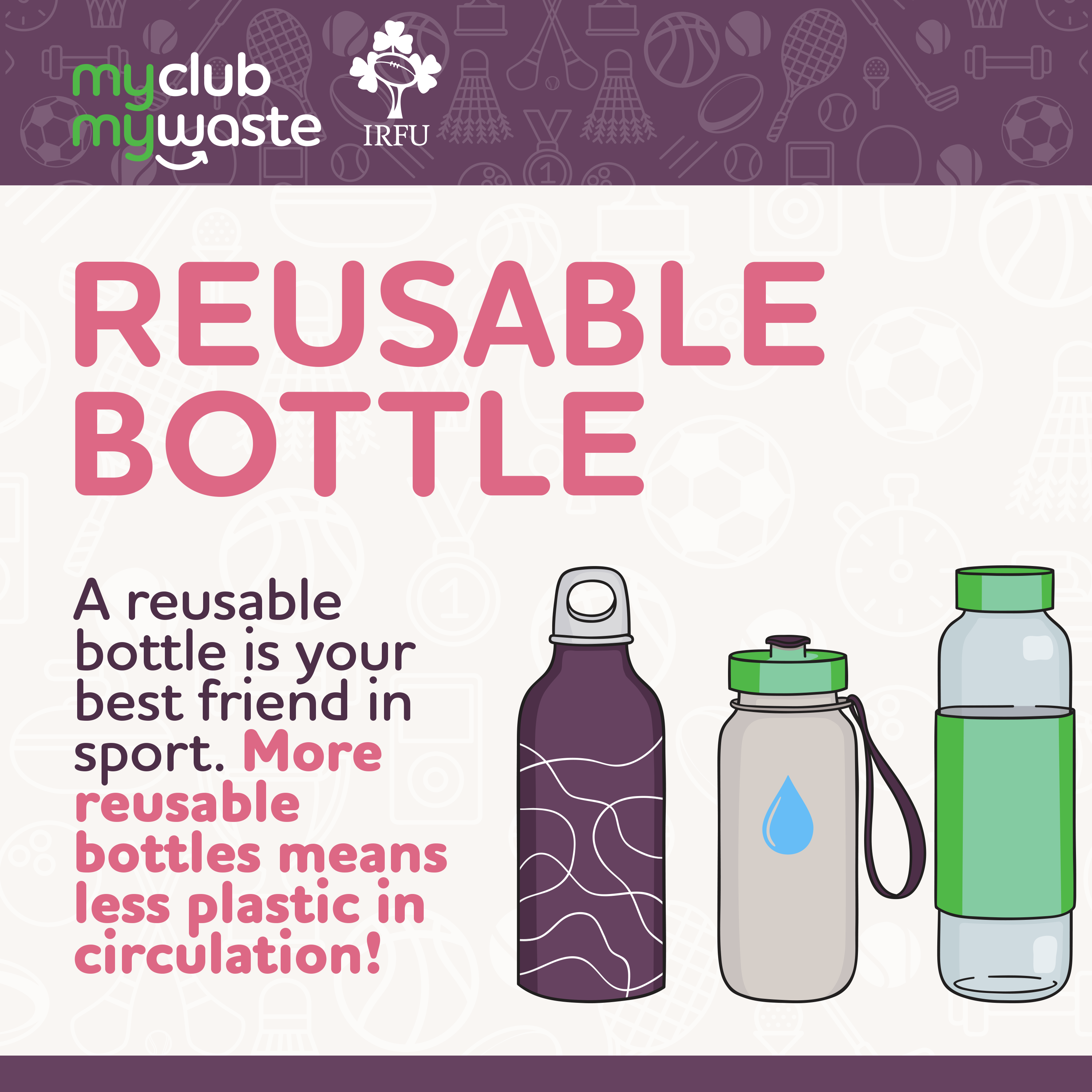
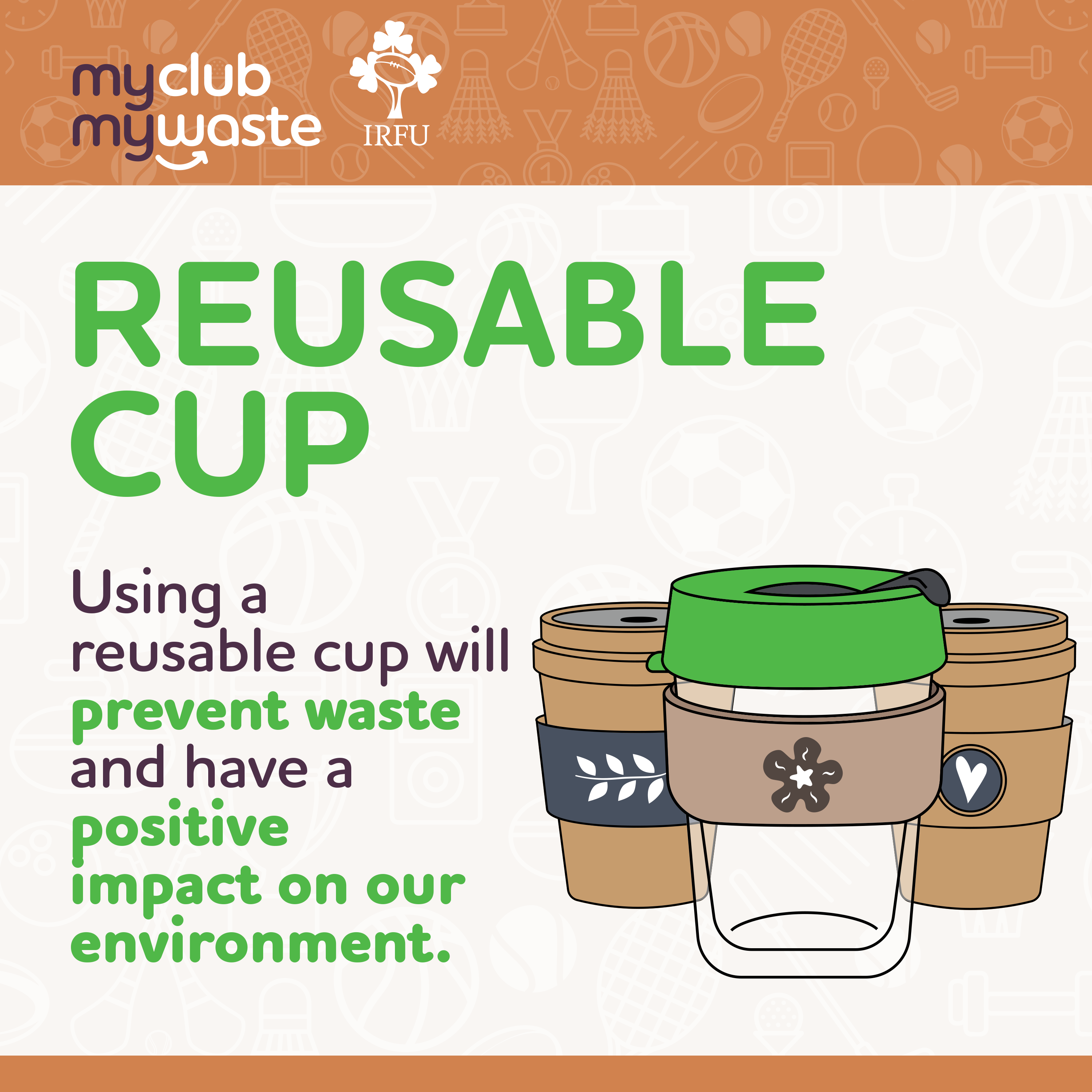
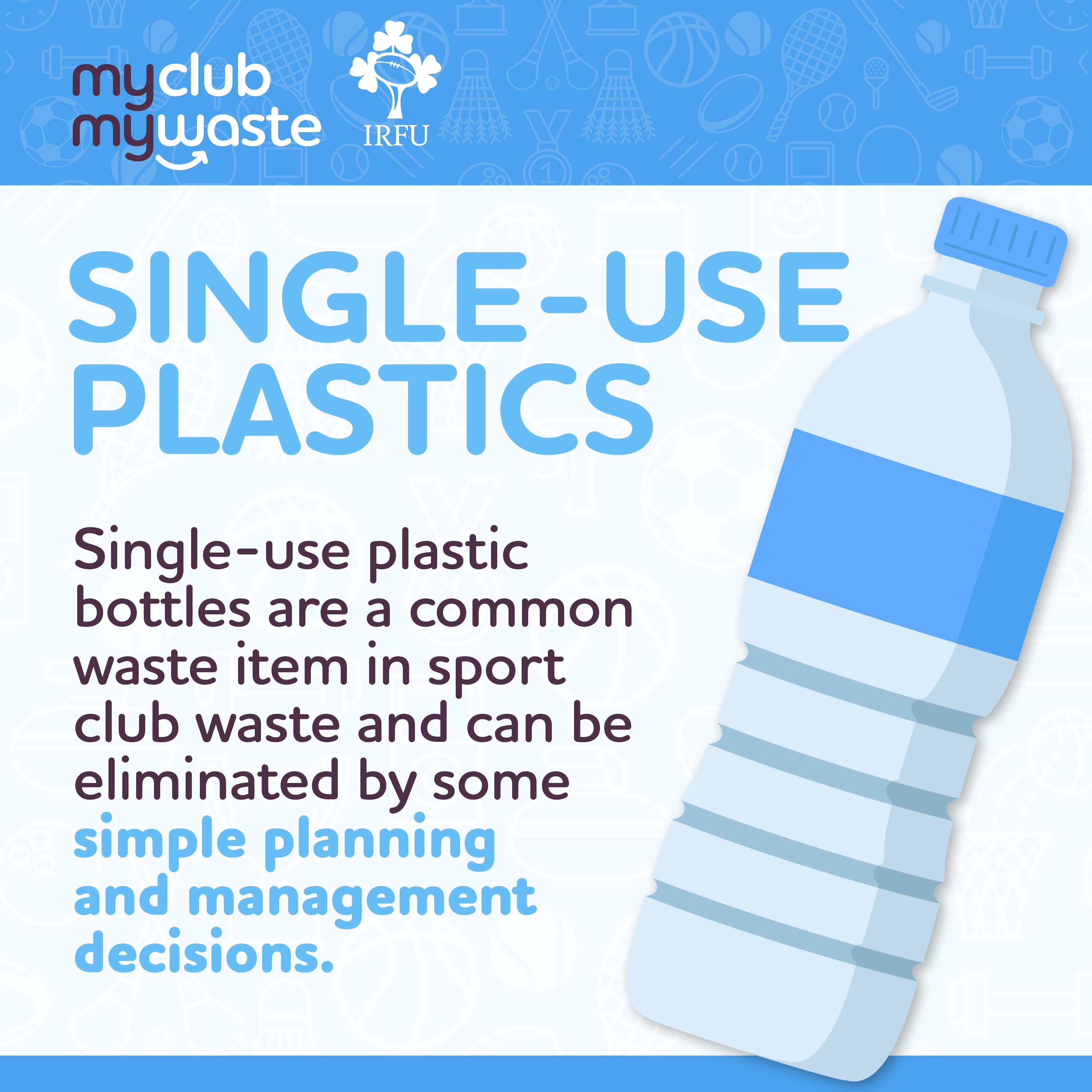
· Single-use plastics (water bottles, cups, straws, packaging)
· Food waste from the clubhouse, events, or match days
· Old kit and equipment (jerseys, boots, balls, goalposts, etc.)
· Paper waste (flyers, programs, admin documents)
· General litter left by fans or players
Sustainability concern: Landfill overuse, plastic pollution, high carbon footprint in production and disposal.
MyWaste.ie
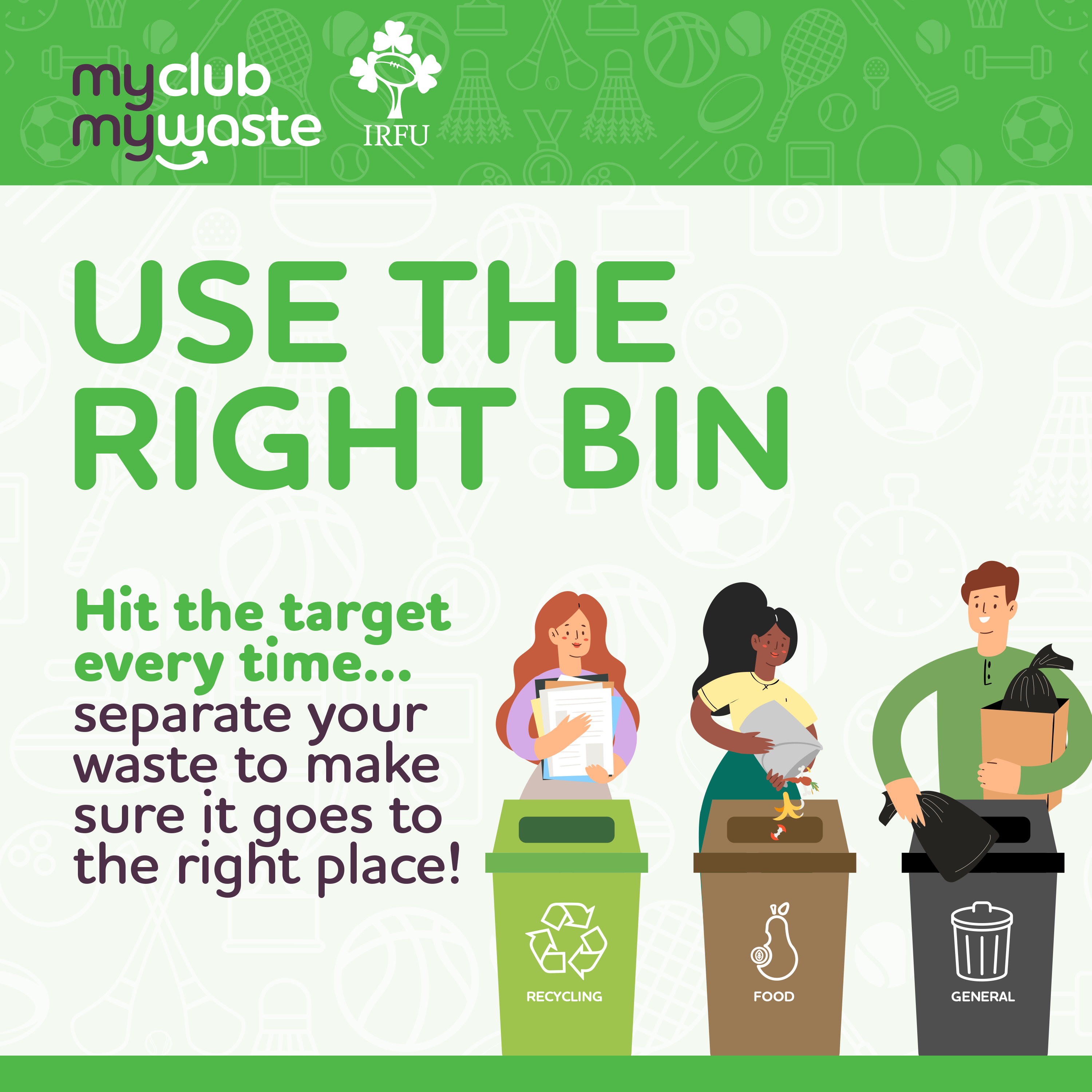
The IRFU have teamed up with MyWaste.ie to produce a free sustainability toolkit to help sports clubs improve their waste management practices and embrace the principles of a circular economy.The MyWaste Sports Club Toolkit, supported by the Federation of Irish Sport, marks a significant step towards fostering environmental sustainability within the Irish sports community.
MyWaste.ie Toolkit
How to carry out a waste audit
Posters
Links
Social Media Graphics
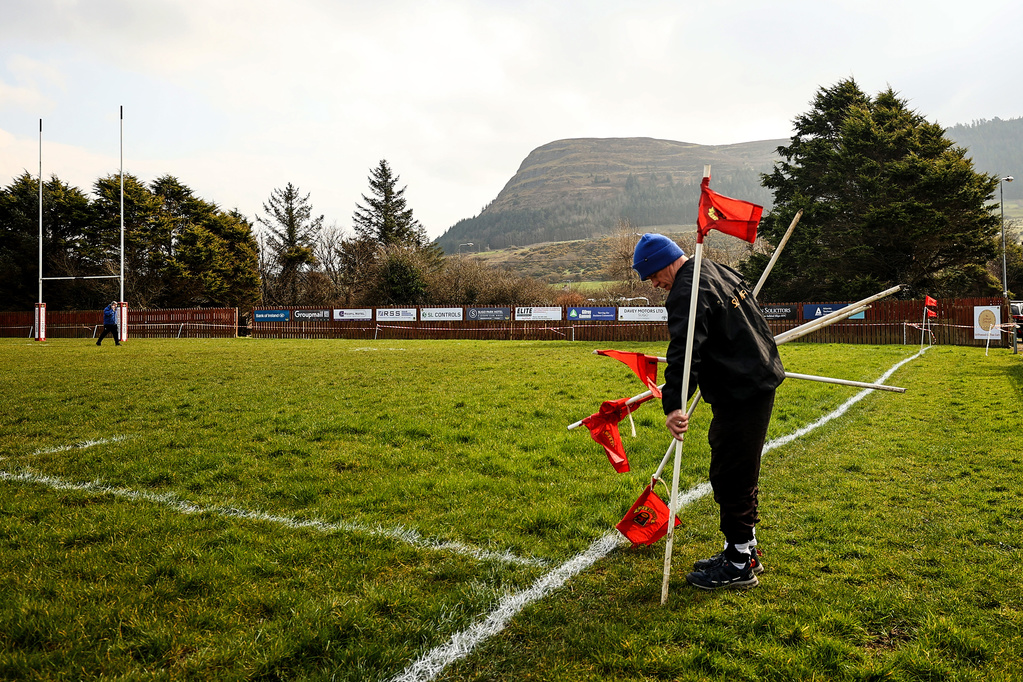
“Water” refers to the management of water resources in a way that reduces environmental impact, supports community needs, and ensures long-term availability. Rugby clubs use water for various purposes, including:
- Irrigating pitches
- Cleaning facilities
- Showers and toilet
- Catering and hospitality services
Water Toolkit
IRFU Sustainable Club Programme Water Document
Links
“Travel” in rugby clubs refers to the environmental, social, and economic impacts associated with the transportation of:• Players
• Coaches and staff
• Spectators
• Equipment
to and from training sessions, matches, and tournaments.
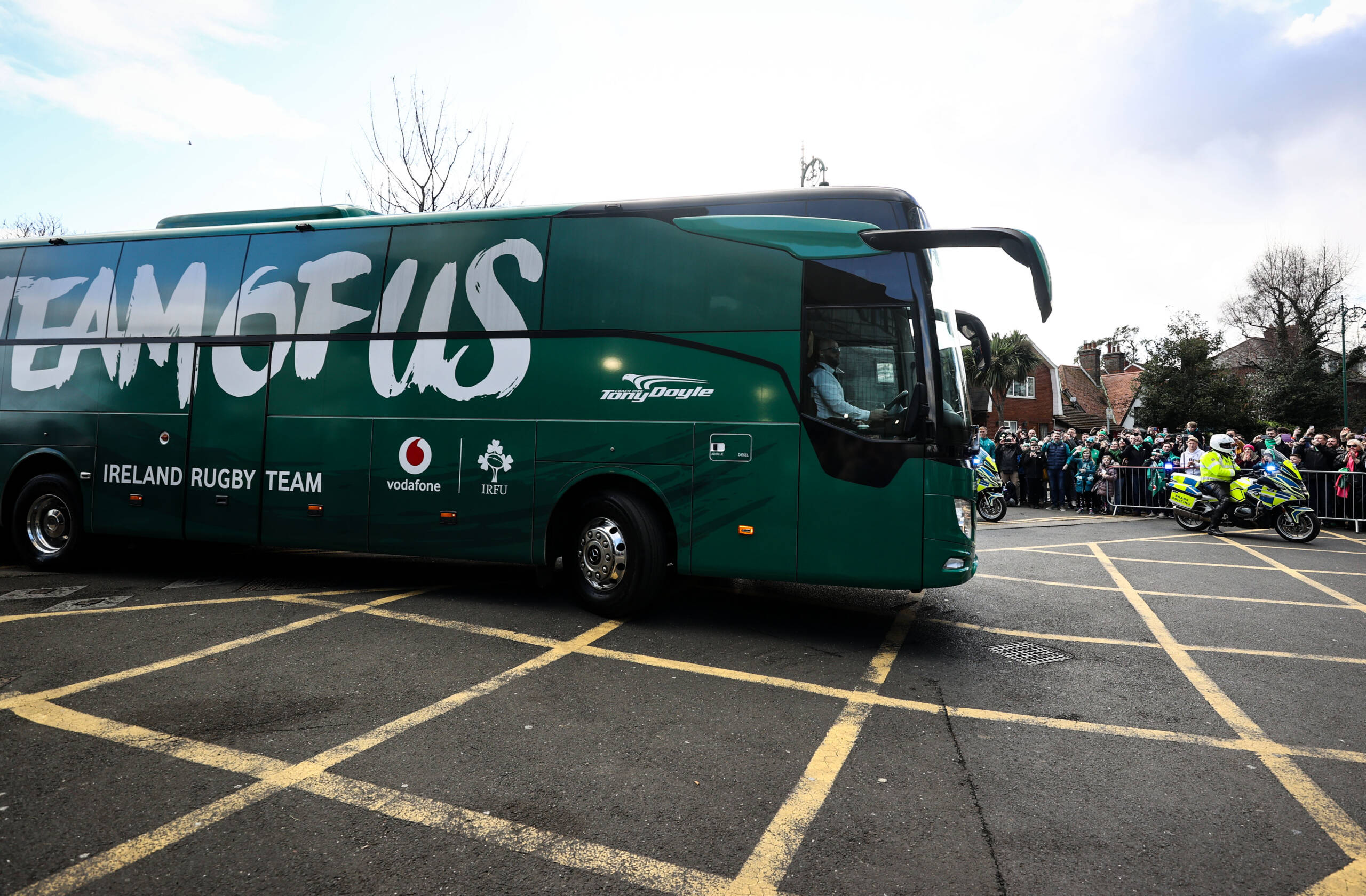
Travel is often the largest contributor to a rugby club’s carbon footprint. Key environmental concerns include:
• Greenhouse gas emissions from cars, buses, trains, and planes
• Air pollution
• Traffic congestion
• Energy use (especially for flights and long-distance travel)
Clubs may assess the carbon footprint of travel and look for ways to reduce it.
Example Strategies:
• Prioritizing public or shared transport
• Using electric or low-emission vehicles
• Organizing carpooling among players and fans
• Investing in carbon offsetting programs
• Scheduling matches to reduce long-distance travel
Travel Toolkit
IRFU Sustainable Club Programme Travel Document